
Swimmer’s Ear, Strep & Summer Ear Infections: When to Bring Your Child to Urgent Care in Miami Shores
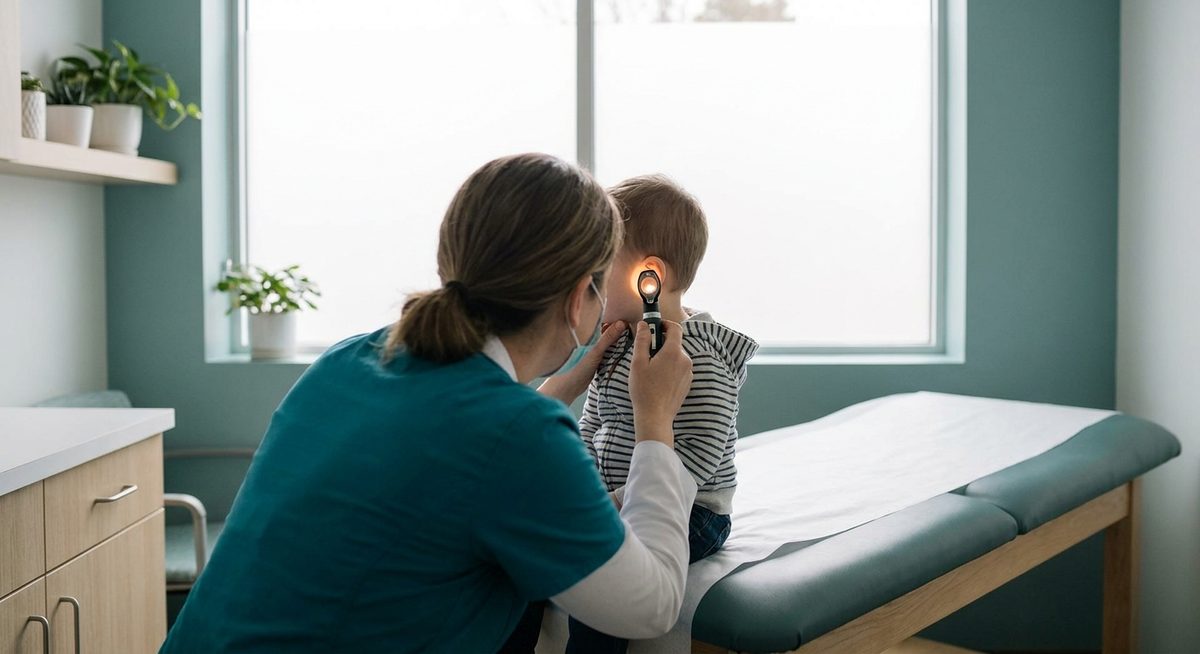
By late July, South Florida kids have logged plenty of pool time, camp days, and beach afternoons — and with all that fun comes a very predictable spike in ear and throat complaints. If your child is suddenly tugging at an ear, refusing to swim, or waking up with a sore throat, you are not imagining it. Summer is peak season for a handful of common pediatric infections, and knowing the difference between “watch and wait” and “let’s get this looked at today” can save you a lot of worry.
Why Summer Is Peak Season for Kids’ Ear and Throat Infections
Warm, humid, water-filled days are a recipe for ear trouble. Hours in the pool or ocean leave moisture trapped in the ear canal, which softens the skin and lets bacteria move in. Add crowded camps, shared water bottles, and constant close contact, and germs pass easily from child to child. The result is that Miami-Dade urgent care clinics see a reliable summer bump in three specific problems: swimmer’s ear, middle ear infections, and strep throat. The good news is that all three are very treatable — and usually resolve quickly once your child is seen and started on the right care.
Swimmer’s Ear (Otitis Externa): The Classic Miami Summer Problem
Swimmer’s ear, known medically as otitis externa, is an infection of the skin lining the outer ear canal. According to the American Academy of Pediatrics, swimmer’s ear develops when moisture lingers in the ear canal, encouraging bacteria to grow and invade the softened skin. It is common in kids who swim daily, but it can also follow a bath, a shower, or even a humid day.
The telltale sign is pain when you gently tug on the outer ear or press the little flap in front of the ear canal — a movement that does not usually hurt with a middle ear infection. You may also notice itching, redness, drainage, or a plugged, muffled feeling. In more severe cases the pain becomes constant and intense, and even chewing hurts.
Prevention is straightforward. The CDC recommends drying ears thoroughly after swimming, tilting the head to let water drain, and using a bathing cap or well-fitted earplugs for frequent swimmers. Avoid cotton swabs, which push wax deeper and can scratch the canal. If pain, drainage, or hearing changes set in, though, home drops are not enough — swimmer’s ear needs prescription ear drops to clear properly.
Middle Ear Infections vs. Swimmer’s Ear: How to Tell Them Apart
The two most common ear infections in children are otitis externa (swimmer’s ear) and otitis media (a middle ear infection), and they are not the same thing. As the CDC explains in its ear infection basics, a middle ear infection typically follows a cold or respiratory illness, when congestion backs up fluid behind the eardrum. It tends to bring deep, dull pain, fever, fussiness, trouble sleeping, and sometimes tugging at the ear — but pulling on the outer ear usually does not make it worse.
Why does the distinction matter? Because the treatment is different. Swimmer’s ear is treated with topical ear drops, while a true middle ear infection may or may not need oral antibiotics depending on your child’s age and how severe it is. Trying to guess at home often means using the wrong remedy and delaying relief. A quick exam with an otoscope tells the provider exactly which one you are dealing with, and our pediatric urgent care team in Miami Shores sees both every summer.
Strep Throat Doesn’t Take a Summer Vacation
Many parents assume strep is a winter illness, but Group A strep circulates year-round, and summer camps keep it moving. Strep throat usually comes on suddenly with a painful sore throat, fever, and swollen, tender lymph nodes in the neck — and often no cough or runny nose, which is a useful clue that it may not be a simple cold. Some children also get a headache, stomachache, or a fine, sandpapery rash.
Strep cannot be diagnosed by looking alone; it takes a test. A rapid strep test gives an answer in minutes, and when it is positive, a short course of antibiotics helps your child feel better faster and lowers the small risk of complications. Our clinic runs testing on site through our on-site diagnostic services, so you are not sent elsewhere and waiting days for results.
When to Bring Your Child to Urgent Care
Not every sniffle or minor earache needs a visit — but some signs mean it is time to be seen the same day:
- Ear pain that is severe, or that lasts more than a day or two
- Drainage of fluid or pus from the ear, or reduced hearing
- A sore throat with fever, especially without a cough or congestion
- Fever that keeps climbing or will not come down
- A child who is unusually tired, not drinking fluids, or in real distress
Head to a hospital emergency room instead for true emergencies — a very high or persistent fever in a very young infant, a stiff neck with fever, difficulty breathing or swallowing, or signs of serious dehydration. For everything in between, a walk-in visit is faster and far more affordable than the ER.
Fast, Friendly Care — Walk In Any Day of the Week
Kids do not schedule their fevers around business hours, which is why families across Miami Shores and North Miami Beach come to Medi-Station Urgent Care. We offer walk-in visits seven days a week, on-site testing and X-ray, and a flat-rate self-pay option so you know the cost up front. Board-certified ER physician Dr. Carlos Sanchez and our team treat children with the same friendly, unhurried care we would want for our own families — no appointment, no long ER wait.
If your child has an aching ear or a sore throat that will not quit this summer, do not tough it out. Learn more about our services and swing by our walk-in urgent care in Miami Shores today.
Bring Your Child In Today — No Appointment Needed
Visit Medi-Station Urgent Care in Miami Shores
Medi-Station Urgent Care — Miami Shores, FL — https://www.medistationurgentcare.com