Flu, COVID or RSV? Walk-In Respiratory Testing and Care in Miami Shores
Respiratory virus season is here. Schools are in full swing, travel picks up heading into the holidays, and South Florida families start trading coughs, sniffles and fevers. The tricky part? Flu, COVID-19 and RSV can look almost identical in the first few days.
At Medi-Station Urgent Care in Miami Shores, we help patients of all ages figure out what’s going on, get tested on the spot when appropriate, and start the right treatment plan. Here’s what to know this season.
Why Testing Matters
You might wonder why it matters which virus you have if the symptoms feel the same. It matters for a few important reasons:
- Treatment timing: some antiviral medicines work best when started early, often within the first couple of days of symptoms
- Protecting others: knowing your diagnosis helps you make smart decisions about work, school and visiting older relatives or newborns
- Peace of mind: a clear answer can rule out more serious problems and help you rest easier
A quick visit can give you answers the same day.
Flu, COVID-19 and RSV: How They Compare
All three are contagious respiratory viruses, and symptoms often overlap.
Influenza (flu) often comes on suddenly with fever, chills, body aches, headache, fatigue, cough and sore throat. The CDC’s flu symptom guide is a helpful reference.
COVID-19 can cause fever, cough, sore throat, congestion, fatigue, headache and sometimes loss of taste or smell. Symptoms range from very mild to more serious.
RSV (respiratory syncytial virus) usually causes cold-like symptoms such as runny nose, cough, decreased appetite and sometimes wheezing. According to the CDC’s RSV resources, infants and older adults are at higher risk for severe illness.
Because these symptoms overlap so much, testing is often the most reliable way to know for sure.
RSV Season Is Different in Florida
Florida’s RSV season doesn’t follow the national calendar. The Florida Department of Health notes that RSV activity varies by region, and the Southeast region — which includes Miami-Dade — can see activity throughout much of the year. That means parents of young children should stay alert even outside the traditional winter months.
What to Expect at Your Walk-In Visit
When you visit Medi-Station with respiratory symptoms, our clinical team will:
- Review your symptoms and history, including how long you’ve been sick and any underlying conditions
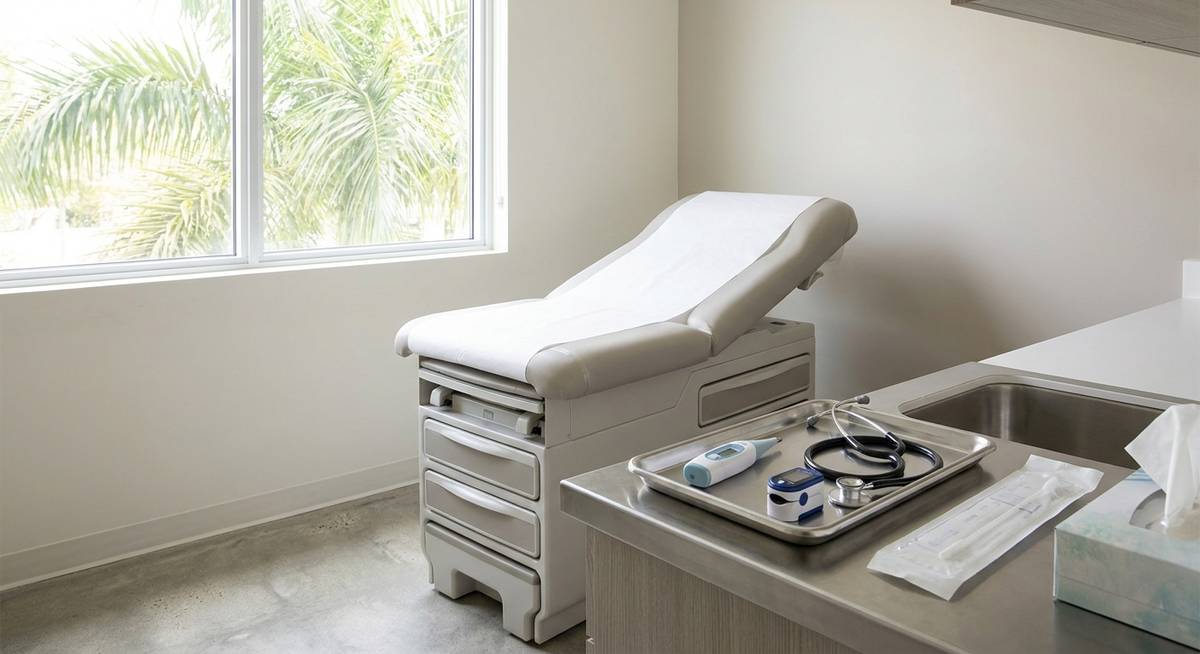
- Perform an exam, checking your temperature, oxygen level, throat, ears and lungs
- Recommend testing when appropriate, such as flu, COVID-19 testing or strep
- Order additional diagnostics if needed, like a chest X-ray through our on-site diagnostic services
- Create a treatment plan, including medications if appropriate, home-care tips and clear instructions on when to follow up
Care for Kids This Season
Children are often the first to bring respiratory viruses home. Our pediatric urgent care team sees kids with fevers, coughs, ear pain and sore throats seven days a week. Watch closely for signs that a child is struggling to breathe, isn’t drinking enough fluids or seems unusually sleepy.
When to Go to the ER Instead
Urgent care is ideal for most respiratory illnesses, but some symptoms need emergency care right away. Call 911 or go to the nearest emergency room for:
- Severe difficulty breathing or shortness of breath
- Chest pain or pressure that doesn’t go away
- Bluish lips or face
- Confusion or difficulty waking up
- Signs of severe dehydration
- In infants, pauses in breathing or significant trouble feeding
Tips to Stay Healthy This Season
- Wash hands often and cover coughs and sneezes
- Stay home when you’re sick
- Talk with your healthcare provider about seasonal vaccines that may be right for you and your family
- Keep fever reducers, fluids and a thermometer at home
- Clean frequently touched surfaces
Respiratory Illness FAQ
How soon should I get tested? If you develop fever, cough, sore throat or body aches, getting evaluated within the first day or two of symptoms gives you the most treatment options. Some tests can also be more accurate at certain points in an illness, so our team will advise you on timing.
Can I go back to work or school after testing? That depends on your diagnosis, your symptoms and current public health guidance. In general, staying home while you have a fever and until you are feeling better helps protect coworkers, classmates and family members. We can provide a work or school note when appropriate.
Do I need antibiotics? Flu, COVID-19 and RSV are caused by viruses, so antibiotics won’t treat them. However, some people develop secondary bacterial infections, such as ear infections, sinus infections or pneumonia. Our providers will examine you and recommend the right treatment for your situation.
Your Neighborhood Urgent Care in Miami Shores
Medi-Station is an independent, locally owned urgent care serving Miami Shores, North Miami, El Portal and nearby neighborhoods. We’re open Monday through Friday 9am–8pm and Saturday and Sunday 10am–5pm, with walk-ins always welcome. Learn more about our Miami Shores urgent care services.
Walk in today or get directions
Medi-Station Urgent Care — 9600 NE 2nd Ave, Miami Shores, FL 33138 — (305) 603-7650 — Mon–Fri 9am–8pm, Sat–Sun 10am–5pm — https://www.medistationurgentcare.com