
Pre-Operative Clearance in Miami Shores: What Your Surgeon Actually Needs
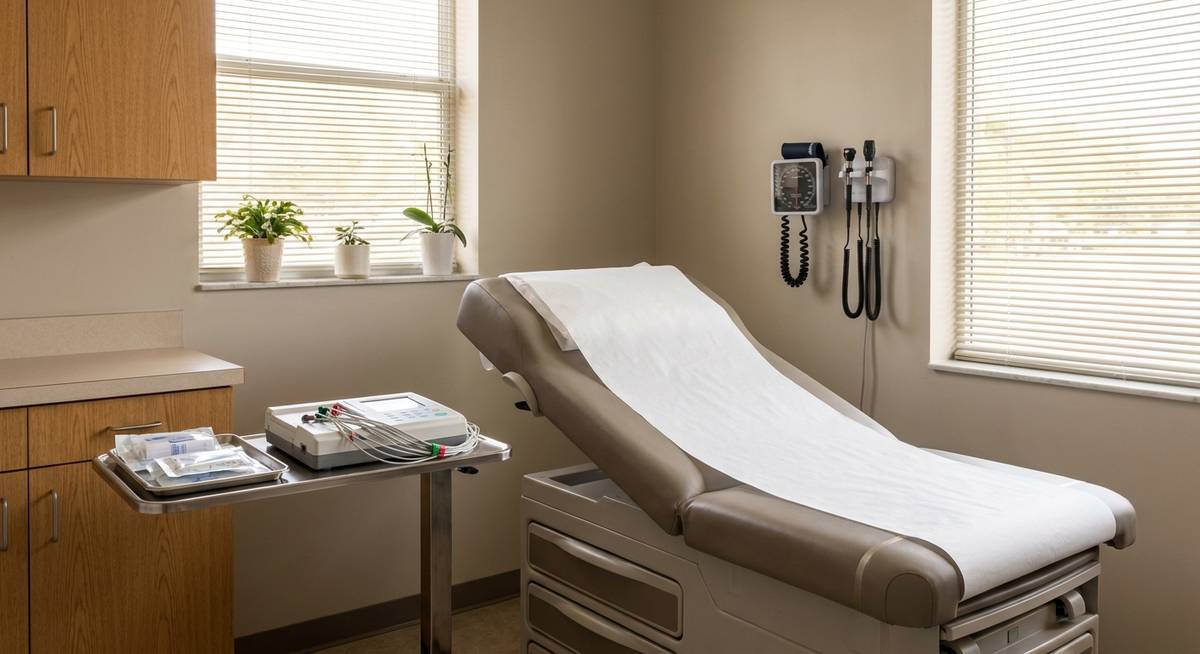
If your surgeon’s office told you to “get medical clearance” before your procedure, you probably left the appointment with a form and very little explanation. It is one of the most common reasons people walk into our clinic — and one of the most common reasons surgeries get postponed at the last minute.
Here is what pre-operative clearance actually involves, what the timeline looks like, and how to avoid the delays that push a surgery date back by weeks.
What Pre-Operative Clearance Is
Pre-operative clearance is a medical evaluation confirming that you are healthy enough to safely undergo anesthesia and surgery. It is not a rubber stamp and it is not a formality — it exists because the risks that complicate a procedure are usually identifiable beforehand.
A standard clearance includes:
- History and physical exam — current conditions, prior surgeries, anesthesia history, medications and supplements, allergies
- Basic laboratory work — typically CBC, metabolic panel, coagulation studies, and pregnancy testing where applicable
- EKG — commonly required based on age and cardiac risk factors
- Additional testing when indicated — chest imaging, A1c for patients with diabetes, or further cardiac evaluation
Most patients receiving general anesthesia need clearance of some kind. Requirements tighten with age: many surgical practices require a formal pre-operative evaluation for patients over 50, with an EKG for patients over 55. Practices differ, which is exactly why the form matters more than the general rule.
The Timing Trap That Delays Surgeries
This is the part that catches people.
Most surgeons require clearance dated within 30 days of surgery — some within 14. Get it too early and it expires. Get it too late and there is no time to address an abnormal result.
The sequence that works:
- Three to four weeks out: get your clearance appointment done.
- Same week: labs and EKG completed, results reviewed.
- Two weeks out: any abnormal finding — elevated blood pressure, low hemoglobin, an unexpected EKG change — still has time to be evaluated or corrected.
- One week out: paperwork already in your surgeon’s hands.
The patients who end up rescheduling are almost always the ones who booked clearance five days before surgery and discovered a problem that needed a week to sort out.
Why Miami Sees So Many of These Requests
Miami is a major destination for cosmetic surgery, and a large share of those patients travel in from out of state or out of the country. That creates a specific logistical problem: the surgeon is here, the patient’s primary care doctor is somewhere else, and nobody is available to run labs and an EKG on short notice.
That is the gap urgent care fills well. Our pre-operative cosmetic surgery clearance service handles the exam, labs, and EKG in a single visit — no primary care referral, no three-week wait for an appointment. We also provide pre-operative orthopedic surgery clearance for joint replacements, arthroscopy, and fracture repair.
Because we have on-site diagnostic services — X-ray, ultrasound, and lab — most of what a clearance requires happens in the building rather than across three appointments at three locations.
What to Bring to Your Clearance Visit
Bring these and your visit gets dramatically shorter:
- The clearance form or checklist from your surgeon. This is the single most important item. Requirements vary by surgeon, procedure, and facility.
- A complete medication list, including doses — plus supplements. Fish oil, vitamin E, and many herbal supplements affect bleeding and are frequently stopped before surgery.
- Your medical history, especially cardiac, pulmonary, diabetic, clotting, and sleep apnea history.
- Prior records if relevant — a recent EKG, stress test, or cardiology note can prevent duplicate testing.
- Your surgery date and the surgeon’s fax or portal information so results go where they need to go.
- Photo ID and insurance, or ask about our flat-rate self-pay option.
Findings That Commonly Come Up
Most clearances are straightforward. When something does turn up, it is usually one of these:
Uncontrolled blood pressure. The most frequent reason for a delay. Elevated readings on the day of surgery can cancel a procedure outright, so finding it three weeks early is a gift, not a setback. The American Heart Association’s blood pressure guidance explains the categories your reading falls into.
Anemia. Relevant for any procedure with meaningful expected blood loss, and often correctable before surgery.
Undiagnosed or poorly controlled diabetes. Glucose control affects wound healing and infection risk directly.
Suspected sleep apnea. A significant anesthesia consideration, particularly for longer procedures.
Smoking and nicotine use. Most surgeons require cessation weeks before surgery because of the effect on wound healing. The CDC’s smoking cessation resources are a reasonable starting point.
None of these findings mean your surgery is off. They mean you have time to fix them.
One More Thing: BMI, Weight, and Realistic Planning
Many cosmetic surgery practices set BMI thresholds for elective procedures. If your surgeon has mentioned one, discuss it at your clearance visit rather than waiting for the pre-op appointment — there is far more room to plan when you have a month rather than a week.
Walk In This Week
We see clearance patients Monday through Friday, 9 a.m. to 8 p.m., and weekends 10 a.m. to 5 p.m. You can review our full clinical services or read know before you go before your visit. Medi-Station is led by Dr. Carlos Sanchez, board-certified in emergency medicine with more than 20 years practicing in Miami.
Get your pre-operative clearance at Medi-Station →
Medi-Station Urgent Care — Miami Shores, FL — Mon–Fri 9am–8pm, Sat–Sun 10am–5pm — https://www.medistationurgentcare.com